
Why Fusion Should Be Regulated Differently to Fission
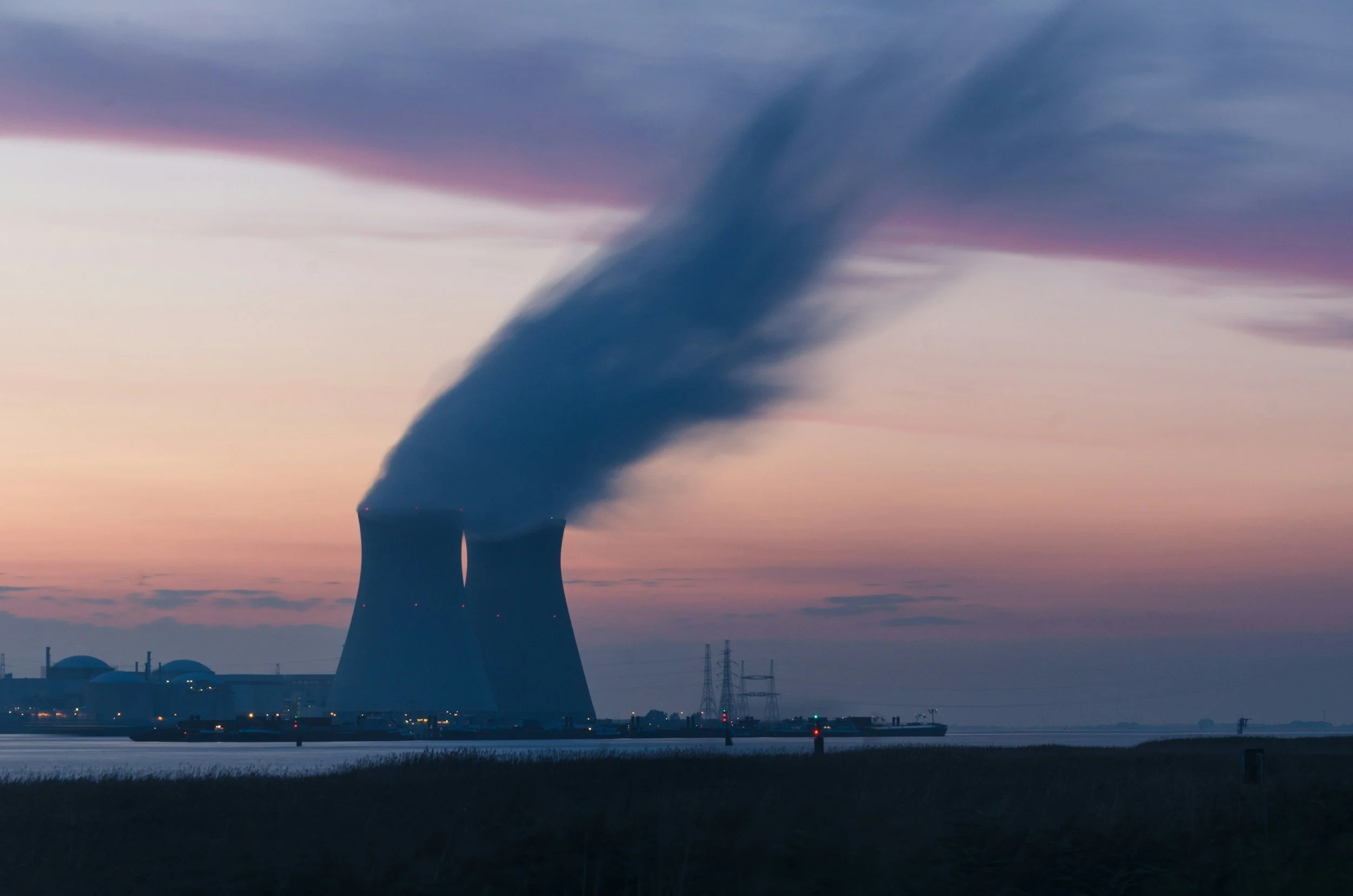
Fusion energy differs fundamentally from fission in both its physical processes and its risk profile, and these differences have important implications for how fusion should be regulated. Unlike fission reactors, fusion systems do not rely on chain reactions, do not contain large inventories of fissile material, and cannot sustain runaway reactions. From a safety and security perspective, this means fusion facilities present a markedly lower risk profile and do not pose the same accident or containment challenges that shaped historical nuclear regulation.
The materials and technologies used in fusion systems also differ substantially from those associated with nuclear weapons or traditional nuclear fuel cycles. Fusion does not require uranium enrichment, plutonium handling, or reprocessing, and its operation does not produce materials suitable for weapons use. As a result, fusion does not introduce the proliferation concerns that have driven international oversight frameworks in the nuclear fission sector. Recognising these distinctions is increasingly important to ensure that fusion development is governed by regulatory regimes that are proportionate, technically appropriate, and supportive of innovation rather than constrained by legacy assumptions.
For governments and regulators, particularly in the Middle East and North Africa, the emergence of fusion presents an opportunity to establish forward-looking regulatory approaches that reflect the technology’s actual risk profile while enabling early participation in a strategically important energy sector. Clear, differentiated regulation can support research facilities, pilot plants, and future commercial deployment without introducing unnecessary barriers or institutional complexity. Indimaj works with governments, regulators, and institutional stakeholders to assess fusion-specific regulatory considerations, international best practice, and pathways for national frameworks that enable responsible development while maintaining public confidence. To receive a confidential briefing, please contact Indimaj.